

Chemical Recycling
(Advanced Recycling / Molecular Recycling)

Overview
Chemical recycling — sometimes referred to as advanced recycling or molecular recycling — uses chemical processes to break down plastics into their original building blocks. This approach allows for the recovery and reuse of materials that are difficult or impossible to recycle mechanically, helping to close the loop on waste and reduce reliance on virgin resources.
How It Works
Through technologies such as pyrolysis, depolymerization, and gasification, plastic waste is transformed back into monomers or feedstocks. These outputs can then be used to produce new, high-quality plastics or alternative chemical products — without degradation of performance or purity.
Why It Matters
Enables recycling of mixed or contaminated plastics
Reduces carbon footprint by replacing virgin fossil feedstocks
Promotes innovation and circular economy leadership
Advances scientific understanding of material recovery
RSC’s Role
RSC supports research and partnerships that advance chemical recycling technologies. Our efforts focus on:
Evaluating environmental and economic performance of emerging processes
Facilitating collaboration between academia, industry and policymakers
Communicating scientific progress to the public and stakeholders
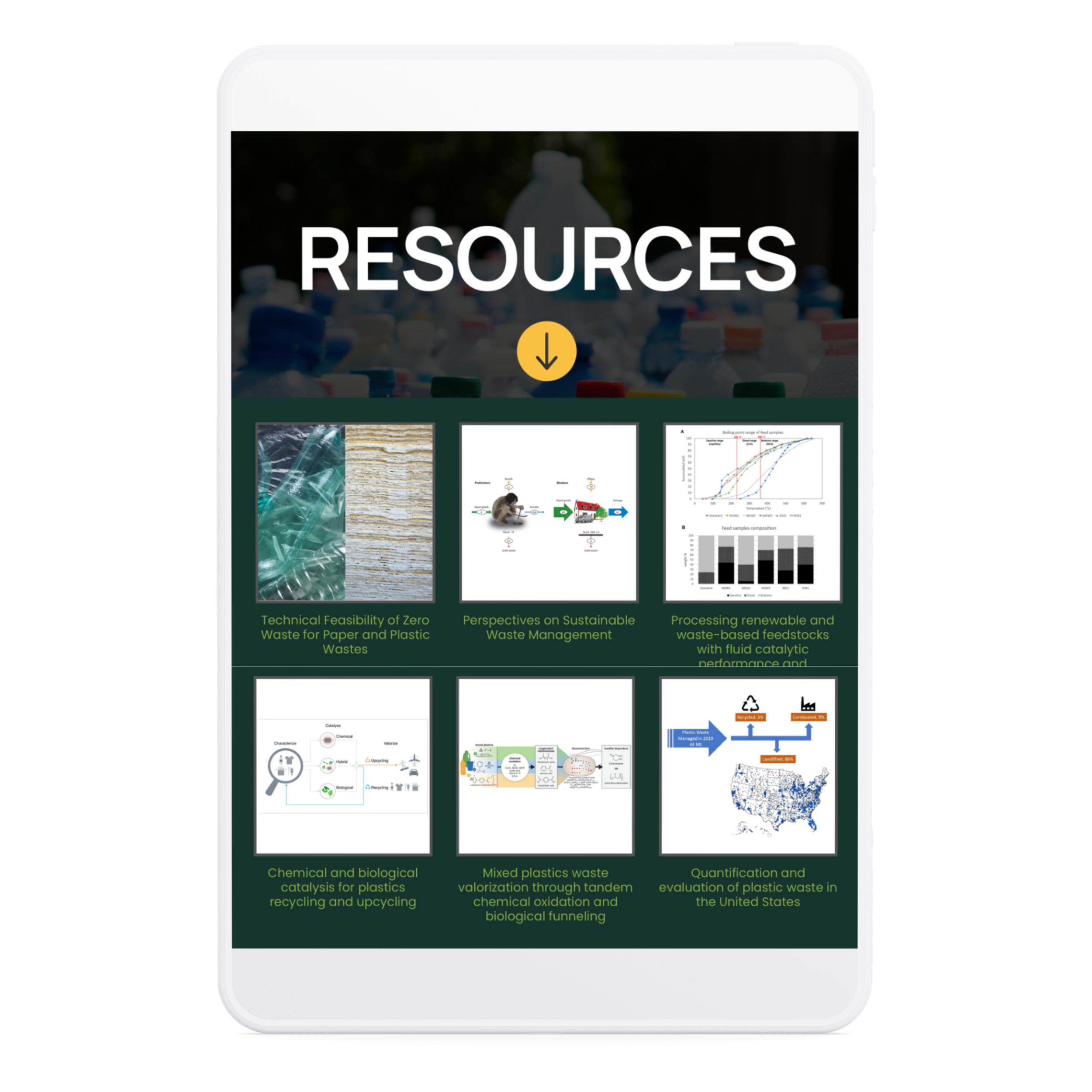
Resources
RSC provides tools and publications to help organizations stay informed about chemical recycling developments”

Get Involved
We welcome partners interested in developing or studying chemical recycling solutions.
Contact us to learn how your organization can collaborate with RSC on next-generation recycling technologies.